
How to Stop Shin Bang in Ski Boots
Shin bang is one of the most frustrating problems in skiing. That bruised, painful feeling down the front of your shin can make every turn painful, particularly when skiing bumps, landing jumps or pushing hard into your boots.
The usual response? More padding.
Thicker socks, gel shin guards, padded tongues. Anything to soften the blow.
But here's the problem.
Shin bang usually isn't caused by a lack of padding. It's caused by a lack of connection.
When your lower leg isn't properly held inside the boot, it can move away from the tongue before repeatedly striking it. And when contact is uneven, pressure can become concentrated in one area.
After years of bootfitting and fixing this exact problem, there are a few things we'd look at long before reaching for another layer of padding.
Too Much Space Is Usually the Biggest Problem
A ski boot needs to hold your foot and lower leg securely, but that doesn't mean crushing everything with the buckles.
When there's too much volume around the lower leg, the shin can move independently of the boot. Instead of maintaining contact with the tongue as you flex forward, your leg moves through that empty space before hitting it.
This becomes particularly noticeable when skiing aggressively, absorbing bumps or landing jumps.
And the problem often gets worse as liners pack out. The foam compresses, the contact disappears and suddenly a boot that used to feel great starts giving you shin bang.
Tightening the upper buckles might help, but it isn't always the answer. You can end up with a boot that's painfully tight in one area while still allowing movement elsewhere.
The goal is to remove unnecessary space and maintain consistent contact with the tongue.
Your Stance and Foot Stability Matter Too
Not all shin bang comes from an oversized cuff.
The position your boot puts you in can make a big difference. If the forward lean or ramp angle doesn't suit your body, you may struggle to maintain balanced contact with the tongue. You can end up fighting the boot or repeatedly loading the front of it harder than necessary.
Boot flex can also play a role. A boot that's excessively stiff or has a harsh flex pattern may concentrate pressure against the shin rather than allowing smooth, progressive movement.
Then there's what's happening underneath your foot.
If your heel isn't stable and your foot is moving inside the boot, that instability can affect how consistently your lower leg loads the tongue.
This is one reason we place so much importance on rearfoot support. A good footbed helps locate and stabilise the heel, giving the entire system a more consistent platform to work from.
Good shin contact starts with a well-located foot.
Stop Adding Padding. Start Improving Contact.
For many skiers, the best solutions are surprisingly simple.
Start with your socks.
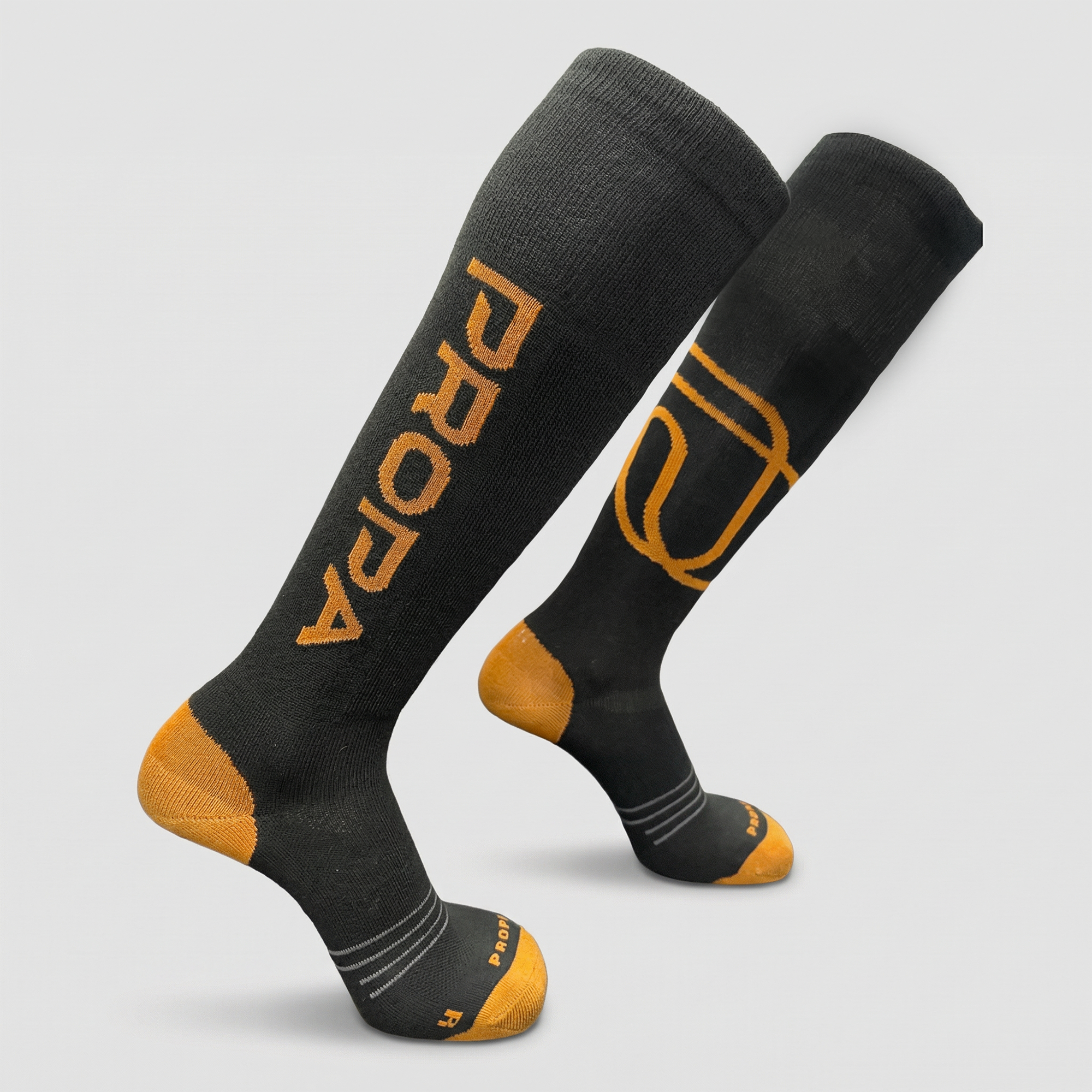
We prefer thin, close-fitting ski socks with minimal bulk and a little targeted padding over the shin. Thick socks can bunch up, create pressure points and interfere with the precise fit we're trying to achieve.
The aim isn't to cushion every impact. It's to create a smooth, consistent interface between your leg and the liner.
Then look at your boot straps.
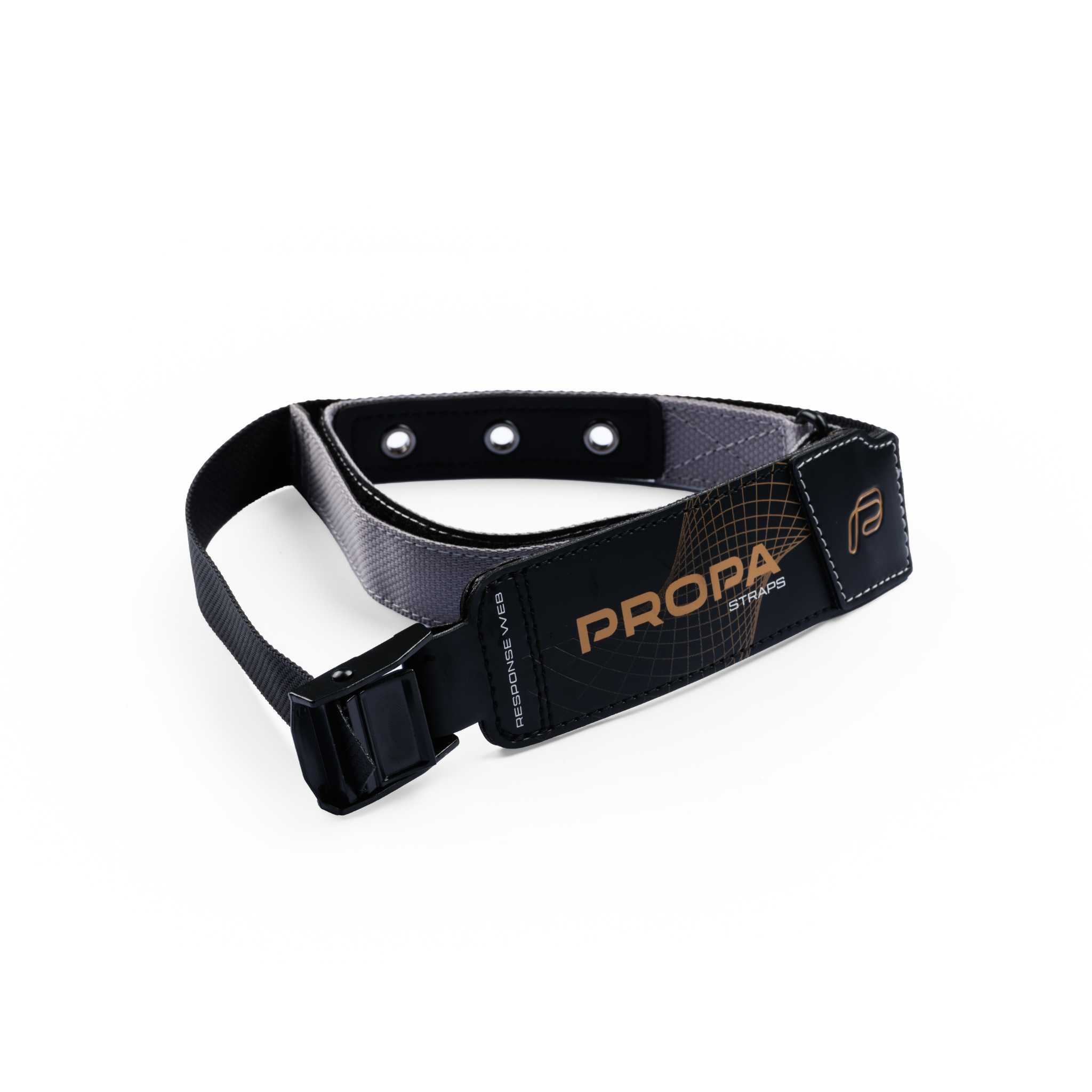
This is where we think Propa 2 Straps can make a huge and real difference.
Most traditional ski boot straps work around the outside of the cuff. They help control the shell, but don't necessarily improve how closely the liner holds your lower leg.
Propa 2 Straps use two independent systems. An inner Velcro strap wraps directly around the liner, drawing the tongue into closer contact with the shin. An outer static cam buckle strap then secures the cuff and helps maintain a controlled connection to the shell.
Instead of relying entirely on buckle pressure, we can improve contact where it actually matters.
Less unwanted movement. More consistent tongue contact. Better connection to the boot.
For shin bang caused by excess lower leg movement, that's exactly what we're looking for.

Inner strap: Secure the liner. Outer strap: Control the cuff.
What If There's Still Too Much Room?
Sometimes the boot simply has more volume than the lower leg needs.
But if the liner is significantly packed out, adding foam and tightening straps may only get you so far.
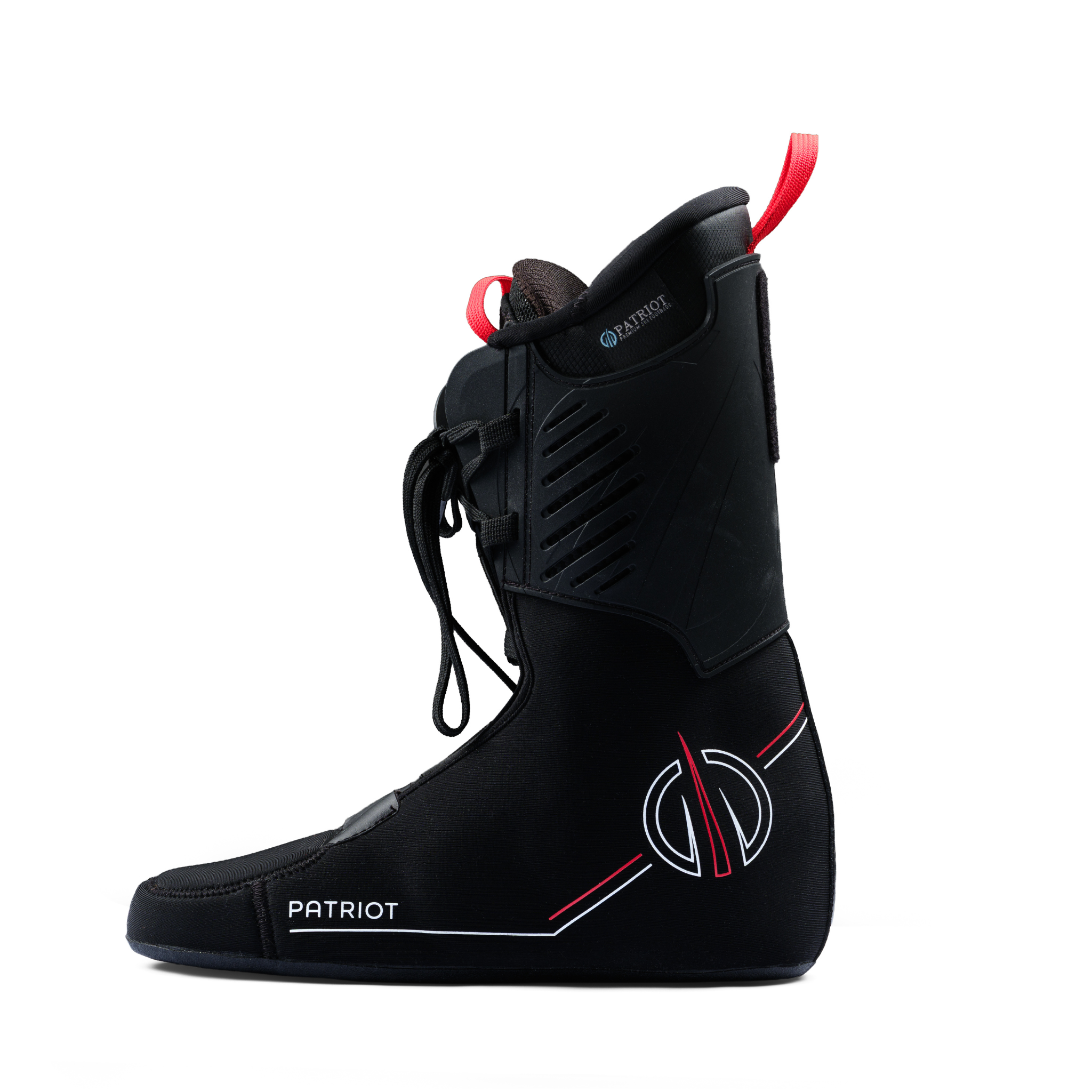
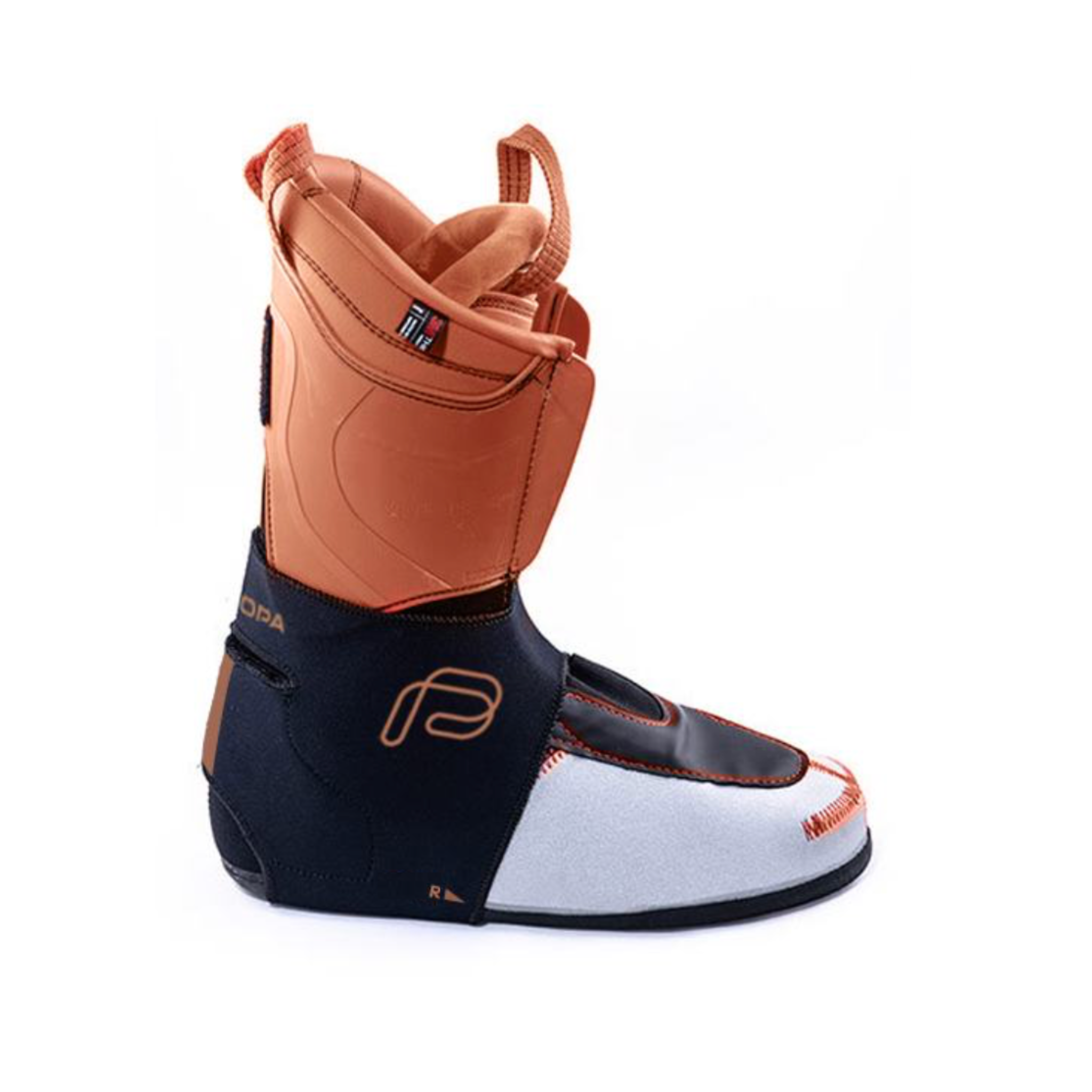
At that point, replacing the liner can make a substantial difference. A fresh, properly fitted liner restores contact around the foot, ankle and lower leg, helping the boot feel secure again.
Of course, this assumes the shell itself is a good fit. If the entire boot is fundamentally too large, a new liner may only disguise the problem temporarily.
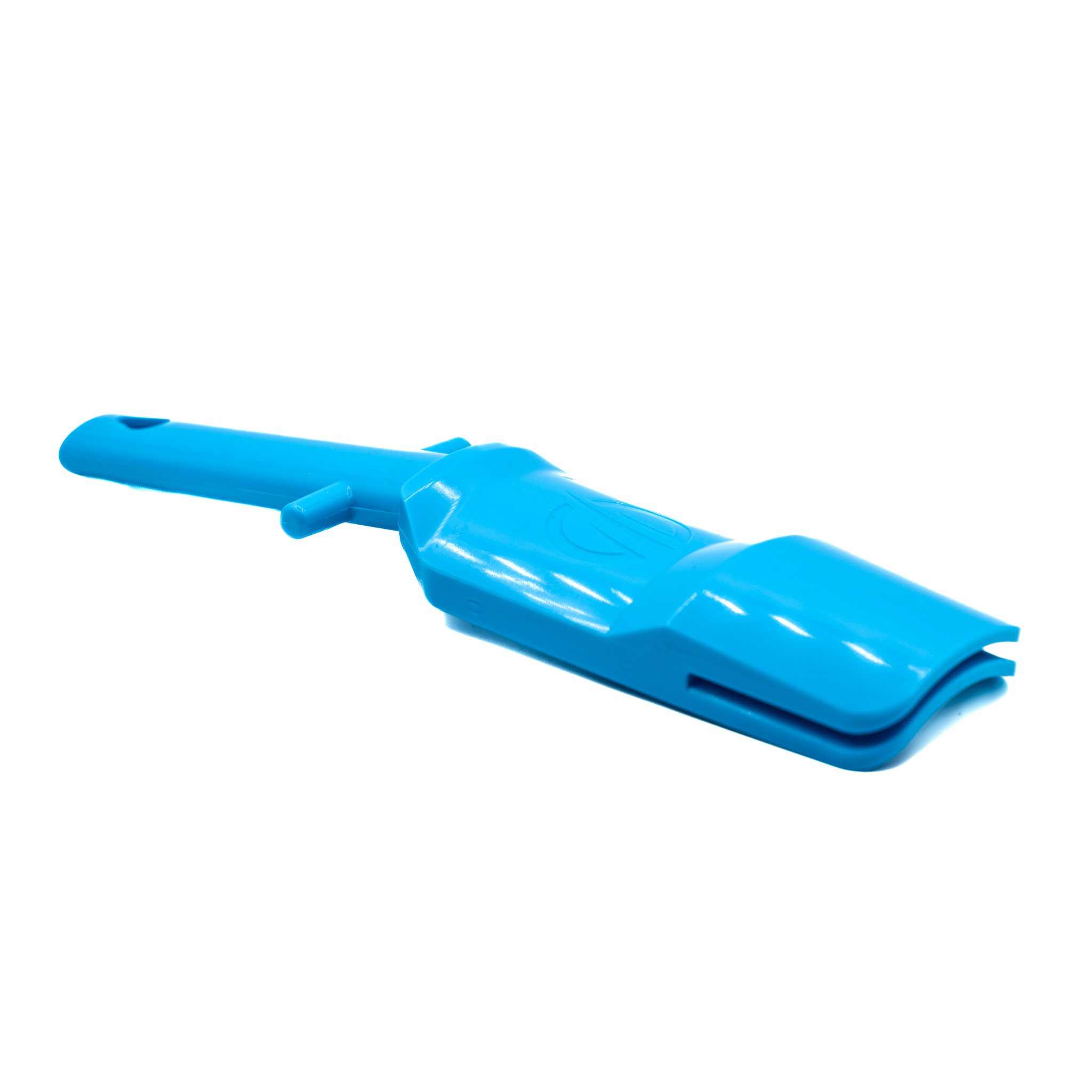
A tongue shim can be an effective way to take up that extra space and bring the liner tongue closer to the shin. It's a straightforward adjustment, particularly for skiers with slimmer lower legs or liners that have started to lose volume.
And if the fit is already secure but shin pain continues, that's when we'd take a closer look at stance alignment, cuff geometry and boot flex with an experienced bootfitter.
The Bottom Line
Shin bang isn't always caused by the same thing, but the solution usually starts with understanding how your leg is interacting with the boot.
Too much volume, packed liners, unstable foot support and poor tongue contact can all contribute. And adding more padding over a sore shin doesn't necessarily address any of them.
We'd start by getting the fundamentals right.
A stable foot. A thin, well-fitted sock. Consistent contact between the shin and liner. And a cuff that holds everything together without excessive pressure.
For many skiers, improving that connection with Propa 2 Straps can be a simple and effective solution.
Don't just cushion the impact. Fix the connection.
That's how we approach shin bang at Propa.