


How to Stop Heel Lift in Ski Boots
Heel lift is one of the most common ski boot fit problems we see.
You flex into your boots, your heel moves up, and suddenly you lose that solid connection between your foot, your boot and your ski.
But before you buy new boots, or start gluing foam onto your liners everywhere, it’s worth figuring out why your heel is moving in the first place.
There are a few different causes of heel lift, and the right fix depends on what is actually happening inside your boot.
First: Make Sure Your Boots Aren’t Too Big
This is always the first place to start.
A ski boot needs to locate your heel properly within the shell. If the shell is simply too big or the wrong shape for your foot, there is only so much you can achieve by adding padding.
We always come back to one basic principle:
The boot shell must locate the heel.
If your whole foot is moving around inside the shell, or you're having to crank every buckle just to feel secure, you may have a sizing or shell-shape problem rather than something that needs more padding.
If the shell fit is right, however, there is plenty we can do.
Why Does My Heel Still Lift If My Boots Are the Right Size?
Because the shell is only one part of the fit.
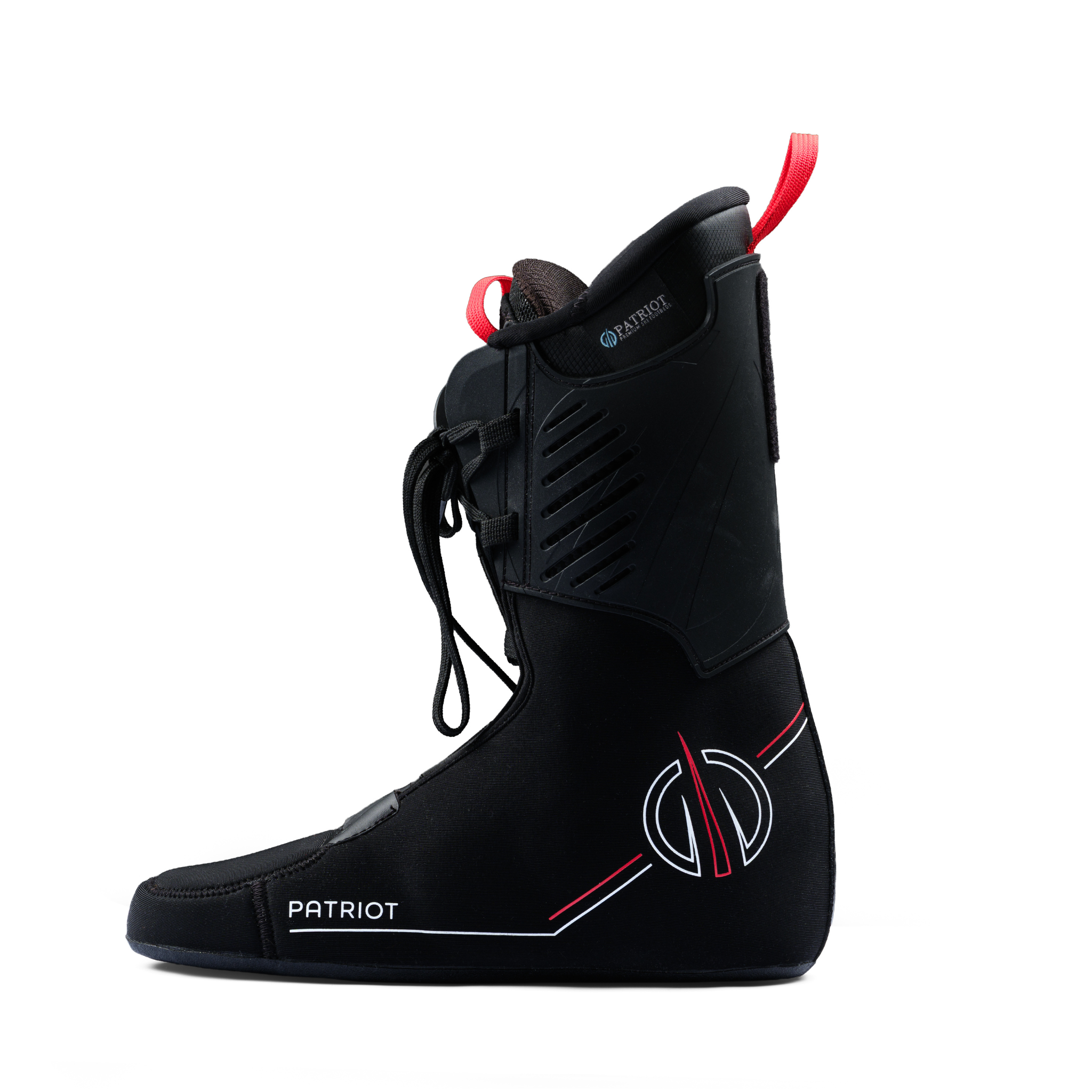
Your liner has to fill the space between your foot and the shell while holding your foot, ankle and heel in position.
Over time, liner foam compresses.
This is completely normal. Every time you ski, buckle your boots and flex into them, the foam gets worked. Eventually that nice secure feeling you had when the boots were new starts to disappear.
The boots haven't necessarily become too big.
The liner has lost some of its ability to harness your foot.
This is why a boot that fitted really well when it was new can start to feel loose after 20, 30 or 50 days of skiing.
And this doesn't always mean there is too much space directly around the heel.
One of the most overlooked causes of heel lift is too much space over the instep.
The foot needs to be held down from above as well as contained around the ankle and heel. If there is too much space between the top of your foot and the liner, your foot has somewhere to move vertically.
When the foot lifts, the heel lifts with it.
A secure heel fit therefore isn't just about squeezing the heel from the sides. It's about creating contact around the foot so it stays located inside the boot.

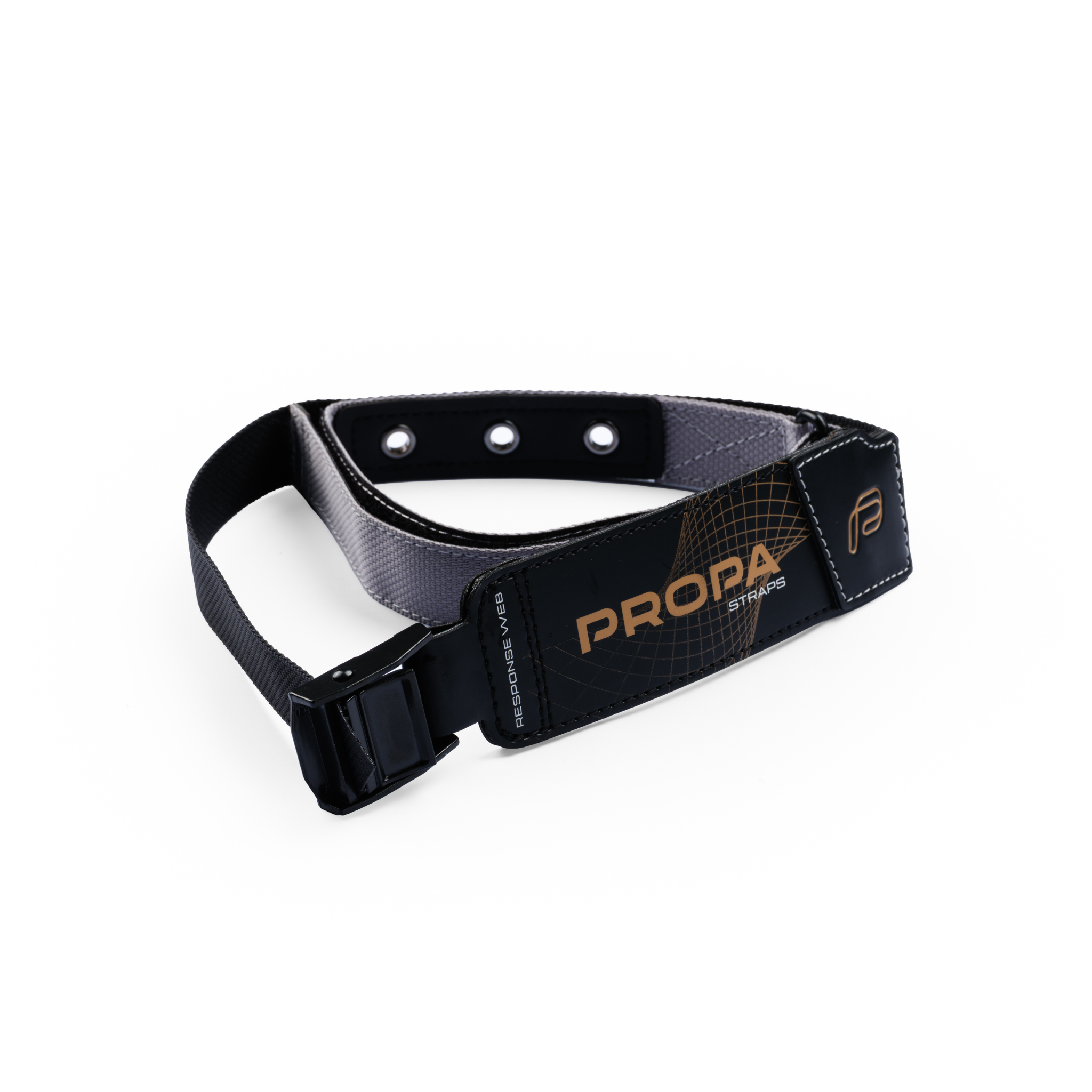
Don't Just Tighten Your Buckles
This is probably the most common reaction to a loose heel.
The heel starts moving, so you tighten the buckles to the max.
Then tighten them some more.
The problem is that buckle tension and heel containment aren't the same thing.
Over-tightening your lower buckles can create unnecessary pressure over the foot without actually fixing the way the liner is holding your foot.
What we're trying to achieve is much more specific:
Hold the heel where it belongs without crushing the rest of the foot.
Start With Support Under the Foot
Before trying to lock the ankle down, look at what is happening underneath the foot.
Most stock ski boot insoles are little more than a thin piece of foam. They offer very little structure and allow the foot to move and change shape inside the boot.
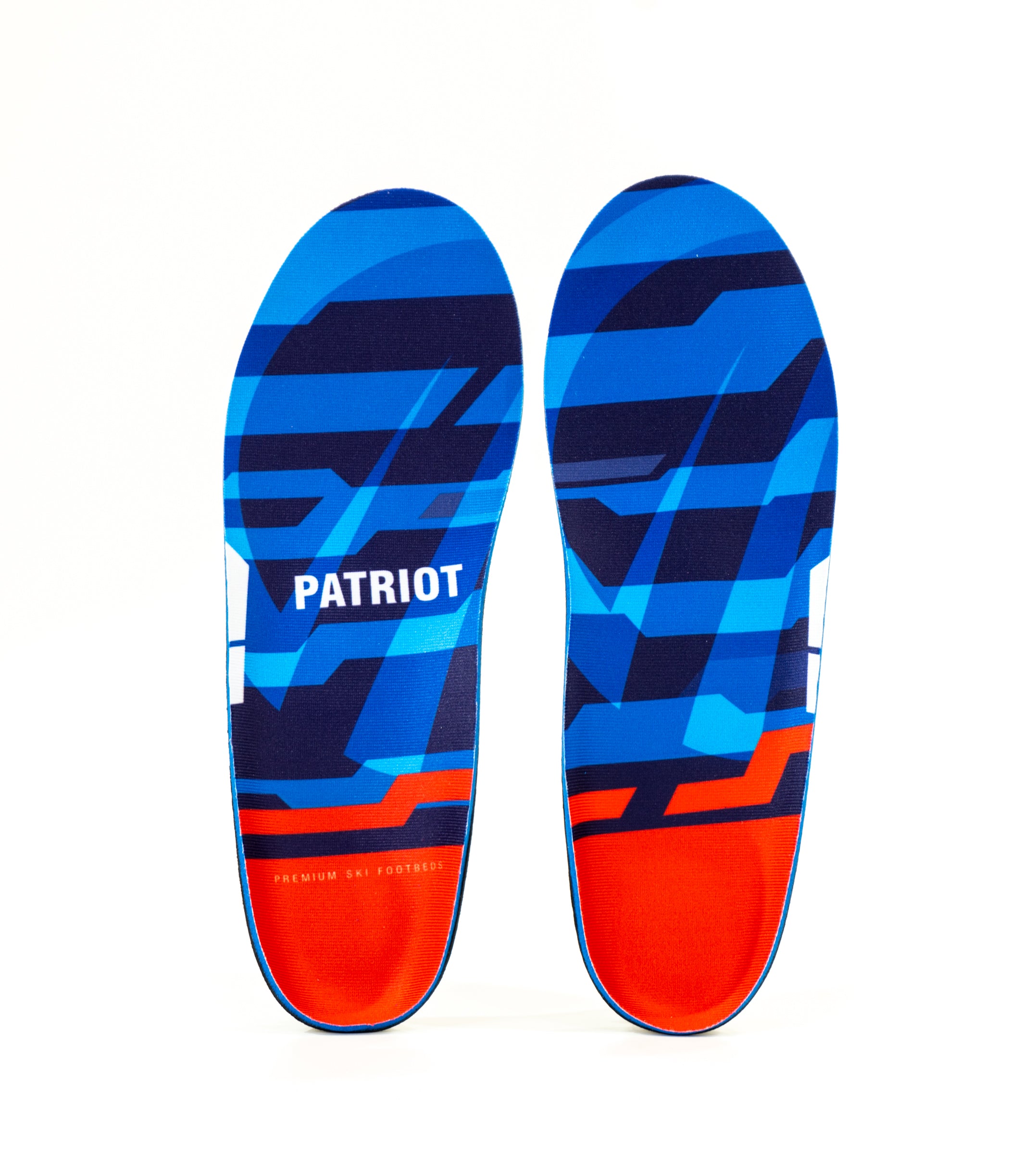
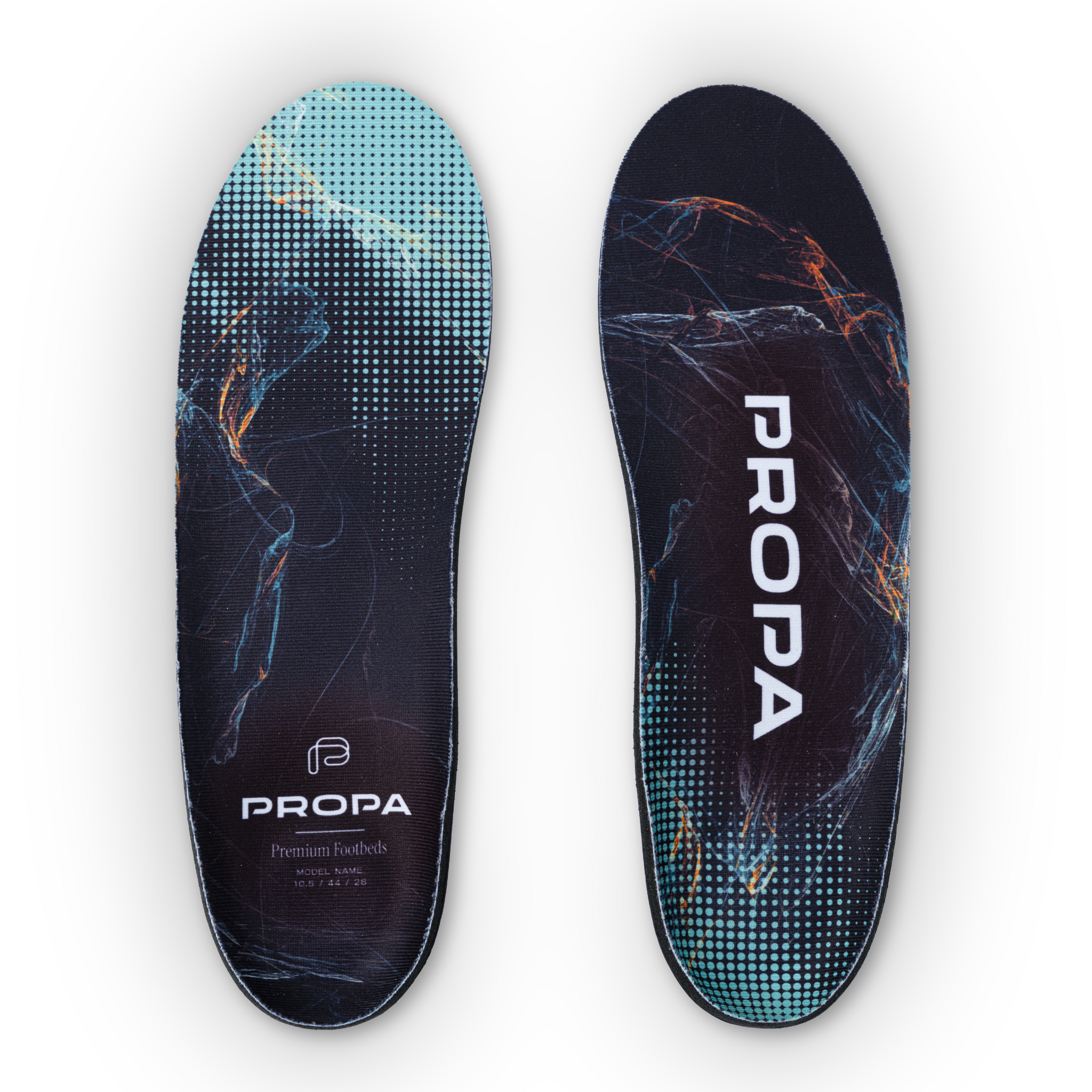
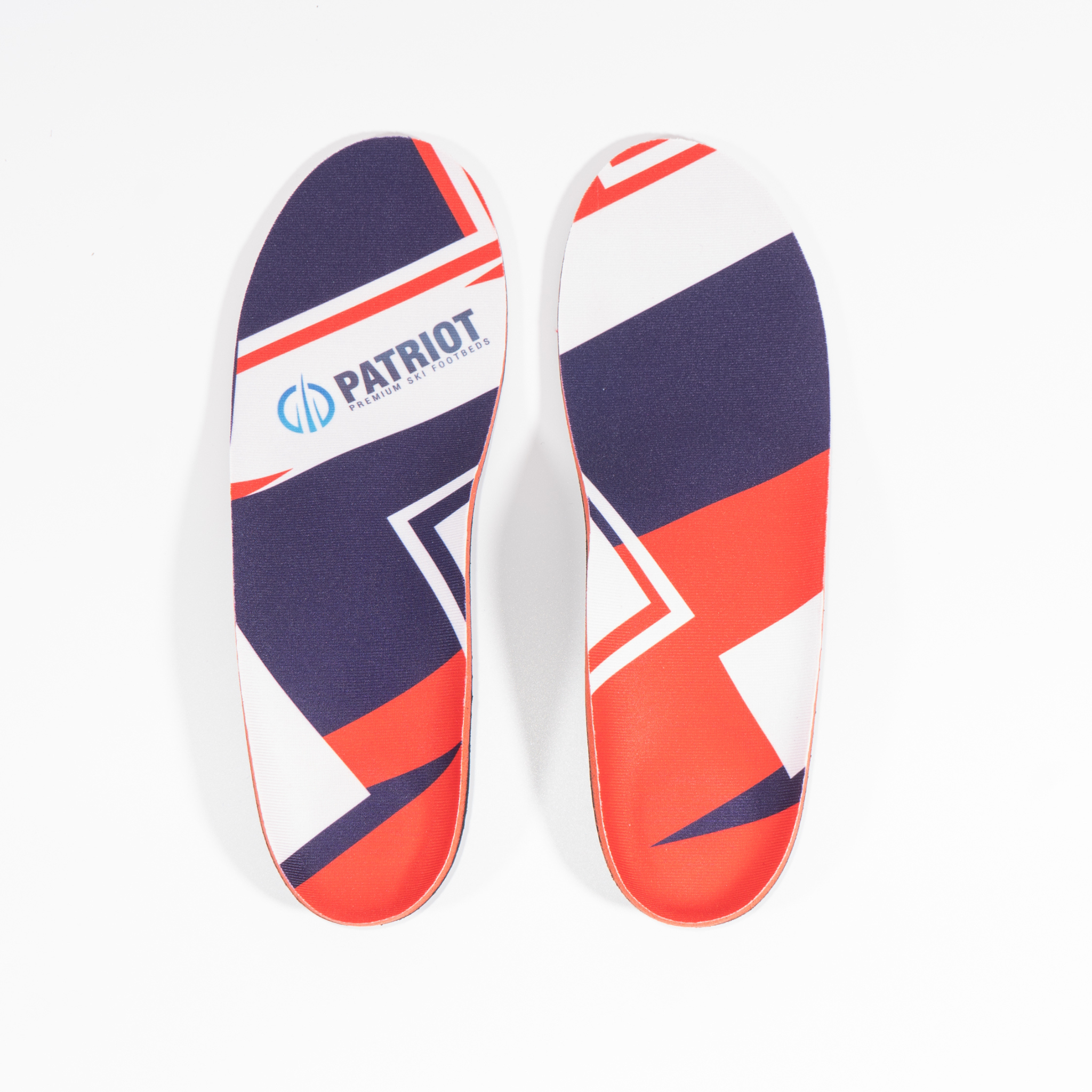
A good ski boot footbed creates a stable platform under the foot and supports your heel laterally, literally cupping and assisting in locating the heel.
That doesn't mean trying to completely immobilize your arch. Your foot still needs to function dynamically when you ski.
What we're looking for is enough rearfoot support and stability to reduce unnecessary movement while still allowing the foot to work naturally.
Sometimes improving the platform underneath the foot can make a surprisingly big difference to heel security on its own.
Restore Containment Around the Foot
If the shell fit is right and the foot is supported but you're still getting movement, the next step is looking at how the liner is containing the foot.
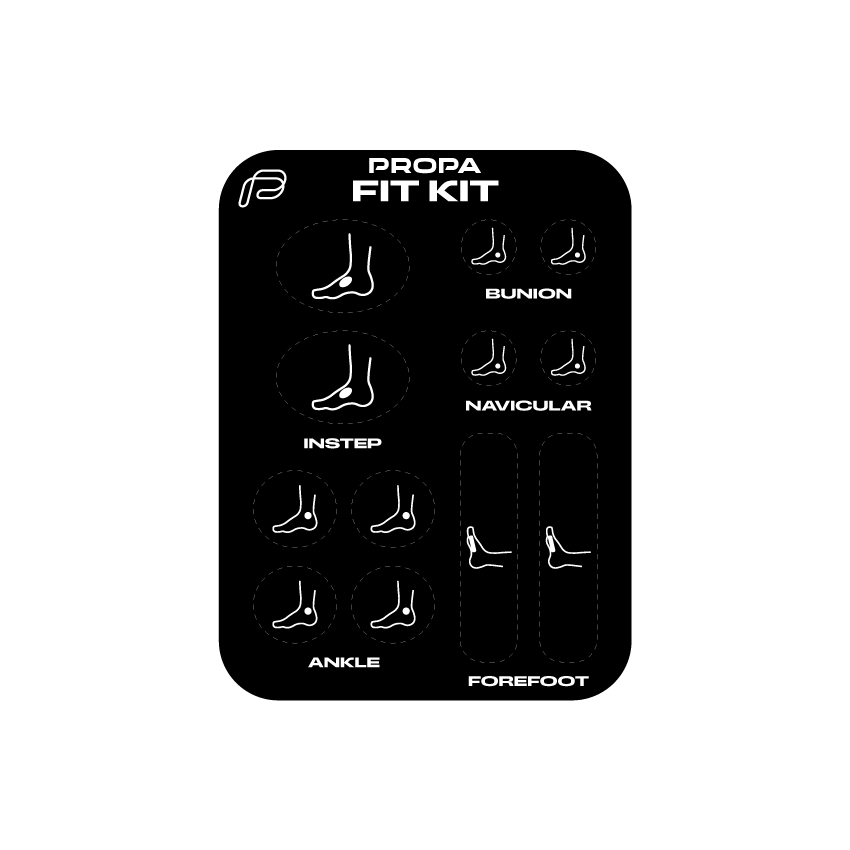
Bootfitters have been addressing heel movement for years with foam pads, J-bars and other modifications.
These can be really effective when there is a specific void around the ankle or heel that needs to be filled.
But heel lift isn't always caused by one isolated gap.
As a liner packs out, it can lose contact around the foot in multiple areas — around the ankle and heel, but also over the instep.
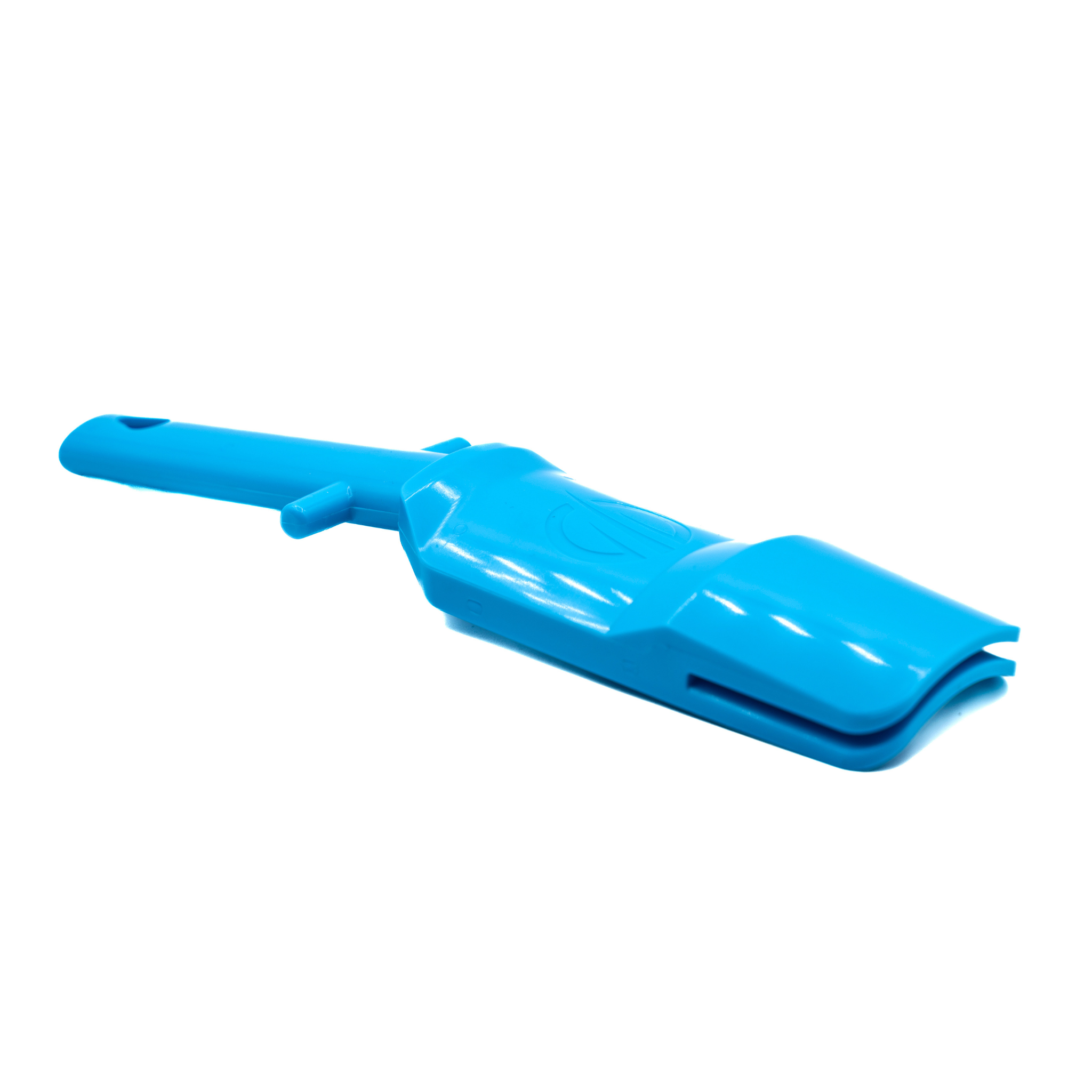
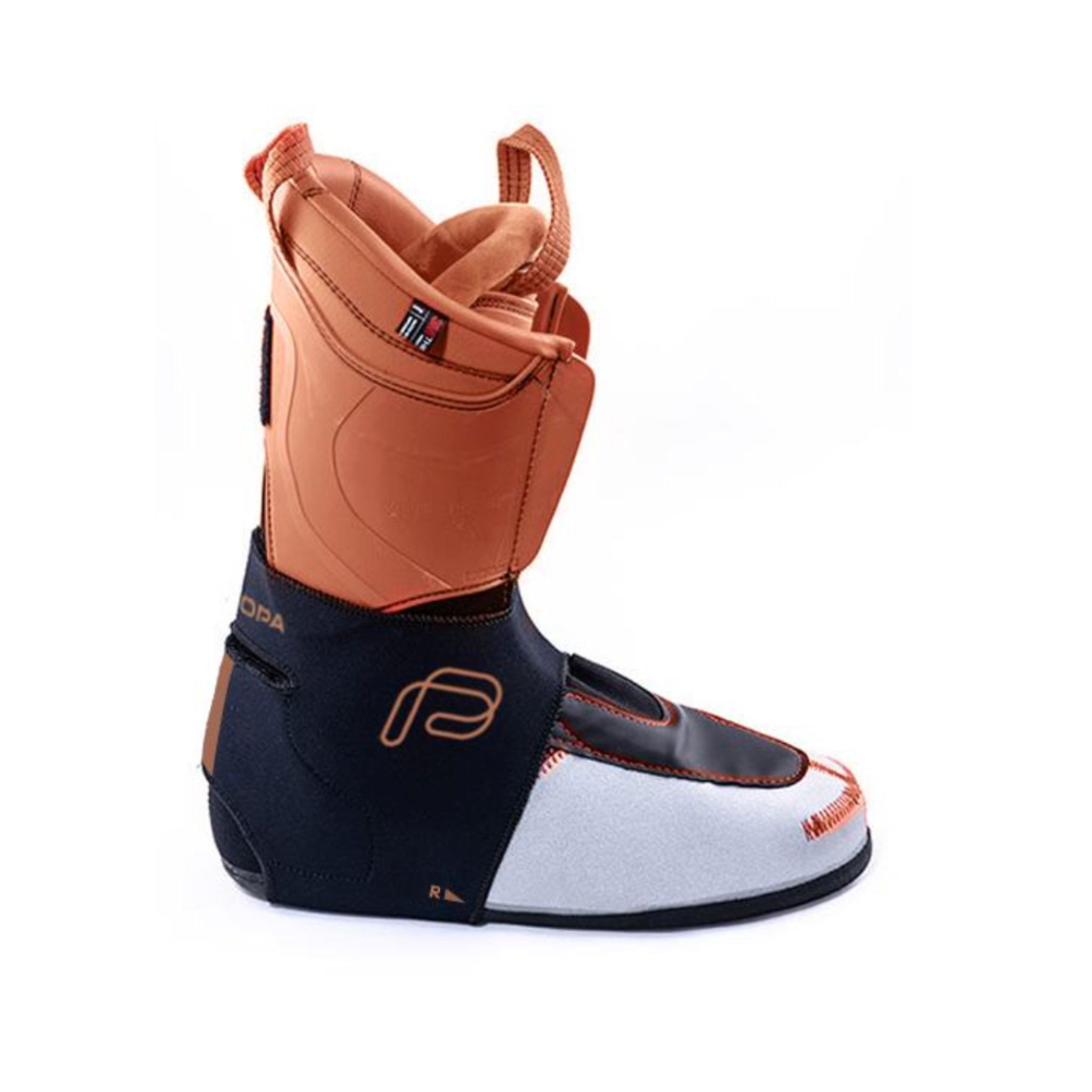
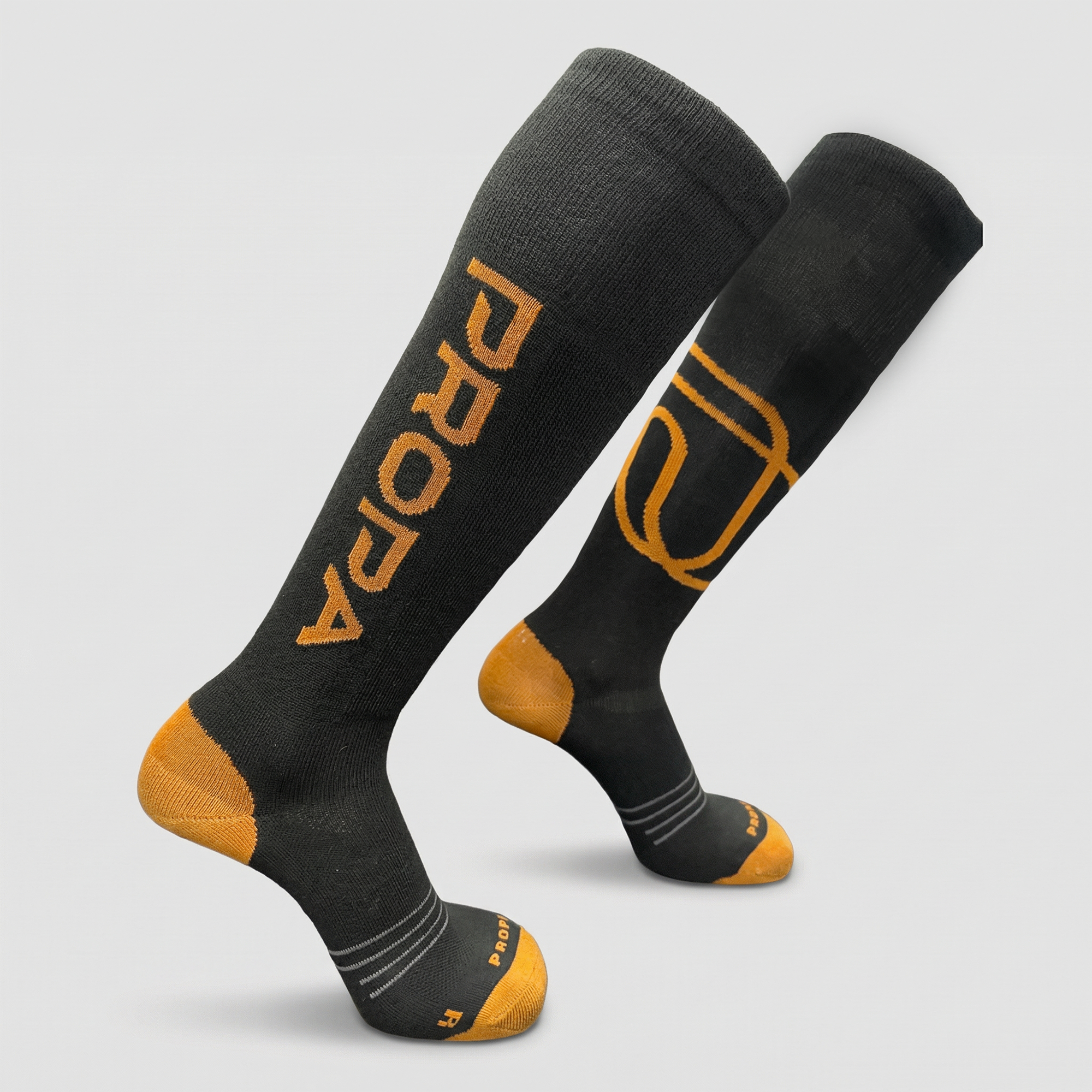
This is exactly why we developed the Propa Liner Sleeve.
Rather than simply trying to fill space around the heel, the Sleeve wraps around the outside of your existing liner and adds compression from all directions.
It draws the foam of the liner back towards the foot, increasing contact over the instep, around the ankle and through the heel pocket.
In other words, we're not just adding more volume.
We're restoring the liner's ability to harness the foot.
The Sleeve also comes with removable J-bars, so if you need additional targeted containment around the ankle and heel pocket, you can add it exactly where it's needed.
This is particularly useful when a liner has started to pack out but is otherwise still perfectly usable.
You're not trying to make the whole boot smaller.
You're bringing the liner back into contact with the foot.
What If the Whole Boot Feels Loose?
That's a slightly different problem.
If you've got movement everywhere rather than just around the heel, you may need to address the overall volume inside the boot.
A volume reducer underneath the liner can take up some excess space and lift the foot slightly into a narrower part of the shell.
A tongue shim can help when excess space is concentrated over the instep or at the front of the lower leg.
A footbed can stabilise the foot.
A Liner Sleeve can restore compression and containment around the foot, ankle and heel.
These aren't necessarily competing solutions. They address different parts of the fit.
The important thing is understanding where the unwanted space actually is before trying to remove it.
When Should You Replace Your Liners?
Not every packed-out liner needs replacing.
If the liner is structurally sound and the main problem is that you've lost some security around the foot, ankle and heel, you can often bring a surprising amount of life back into it by restoring that containment.
Eventually, though, liners do reach the end of their useful life.
If the foam is completely collapsed, the liner is damaged, or you're trying to compensate for a shell that's fundamentally the wrong size, adding more material isn't the answer.
That's when it's worth seeing a good bootfitter and looking at the bigger picture.
So, How Do You Stop Heel Lift?
Work through the fit in the right order.
Check the shell.
Make sure the boot isn't fundamentally too big.
Support the foot.
Create a stable platform underneath it.
Harness the foot, ankle and heel.
Restore the contact and containment that has been lost as the liner packs out.
Manage excess volume.
Only add volume reduction where you actually need it.
The goal isn't to make your ski boots as tight as possible.
It's to keep your foot located in the right place inside the boot while still allowing it to function.
When your heel stays where it belongs, your movements go into the boot instead of disappearing into empty space.
And that's when the whole setup starts to feel connected again.
The Propa Liner Sleeve is designed to restore compression around your existing liner, improving contact over the instep, ankle and heel.
STILL GETTING HEEL LIFT?